If you want to make a difference and help others while learning about sexual health and keeping yourself safe, then you need to join SMART Youth! You can come to any of our events around the city or come to one of our movie nights or Open Mic events. Check out our schedule to learn what we are doing or e-mail sync.nyc@gmail.com.
Last week was our fourth workshop of our Taboo Talk series. Pornography was the topic of the week,
and our Sex-R movie reference was the soon-to-be-released movie Inside Out.
Pornography is a complex topic that many people have
different feelings about. In a previous blog post, we stated some of the good, bad, and ugly sides that porn can represent. During our meeting, we were able to
hear these differing opinions about pornography directly from our youth.
We talked about the pros and cons of porn. Some pros
included learning about what you like or don’t like sexually, using it as
foreplay for masturbation or partner sex; while some cons included getting
unrealistic expectations about what sex is or what our genitalia should look
like.
The decision to watch pornography is a personal one. What’s
important about these pros and cons is that it allows you to form your own
opinions and make your own decisions about viewing pornography.
Last week was our third workshop of our Taboo Talk series.
The topic of discussion was Sex Toys, so our Sex-R theme was Toy Story, naturally!
We've recently blogged about sex toys in the past, giving
the 411 on what they are, their history, and how they can be used. Sex toys can
be a great way to explore your own sexuality (re: masturbation), and can also
be incorporated in many ways for sex with other people (foreplay, mutual masturbation, intercourse, etc)!
There’s no one way to use a sex toy. As long as the toy is
being used safely and hygienically, sex toys can be used anywhere on the body
that feels pleasurable.
Two weeks ago, we had our second workshop for Taboo Talk
series! This workshop was dedicated to the safest sex of them all:
Masturbation, which is why our Sex-R theme was Finding Nemo.
Our guest facilitator, Melisa, led a discussion on how there
are differences in the way masturbation is perceived based on many factors. Our
participants told examples of how, depending on your gender and age,
masturbation can be seen differently. When men are younger, masturbation is
seen as something that every man
does and cannot control. When women are younger, masturbation is seen as
something that women just don’t do.
As we get older, the societal perception changes and masturbation is seen as
something that is done only when someone doesn’t have a sexual partner. We know
that these are stereotypes and are NOT
true! Not every man masturbates, and a lot of women do masturbate.
We also know that masturbation does not depend on having a
sexual partner. Both people who are single or in relationships masturbate, and
they’re equally okay! Plus, masturbation and mutual masturbation (when partners
pleasure themselves in front of their partner or touch/rub their partners’
genitals for pleasure) can be part of foreplay and sex. If there is no transfer
of fluids (or you’re following other precautions like using a barrier or
washing hands), there is a suuuuper low risk for pregnancy or STI’s…making it
the safest sex of them all!
You don’t only have to use your hands either. One can
masturbate or do mutual masturbation with the aid of sex toys as well! We have
an entire blog post and presentation dedicated to what sex toys are and how to use them.
One way we can reduce shame and start becoming more
comfortable with talking about masturbation is to use better words to describe
the act. Many of the phrases we use to describe masturbation include jerking off, diddle the skittle, or choke the monkey, which are either funny
or sometimes violent. If instead we used more neutral and even more positive
phrases like pleasuring yourself,
fingering, or as one youth offered, happy
time, it may make talking about masturbation a more positive and open
topic!
Thank you to Melisa for taking the time out to facilitate such a fun and important meeting!
Last week officially started our new series of workshops
called Taboo Talk, where we discuss sexual topics that you normally wouldn't
discuss in your traditional sex ed class. The theme of the series is Disney’s
Pixar, therefore each workshop is named after a Pixar movie.
We often think of relationships as sexual partnerships that
involve only two people…but what happens when a relationship doesn't look like
that? Our movie theme for last Friday was The Incredibles and the topic was
polyamory and asexuality; two things that many people have heard of, but often
do not understand because of the misconceptions and myths about them.
Polyamory
literally means “many loves” in Greek. In modern practice, polyamory is the
idea of having multiple intimate relationships with different people at the
same time. It’s also known as “consensual, ethical, and responsiblenon-monogamy.”
In a polyamorous relationship, the knowledge and consent of everyone involved
is mandatory, meaning all people in these types of relationships know that they’re
in one and are okay with it.
Polyamory can take many forms, ranging from a person having
multiple separate relationships to a
group of people having relationships with each
other. Polyamory not the same as
polygamy; polygamy usually involves one man with multiple wives, but not the
other way around. Having another relationship with someone else without your
partner knowing is also not
polyamory. Like mentioned before, all people involved must know and be in
agreement with one another.
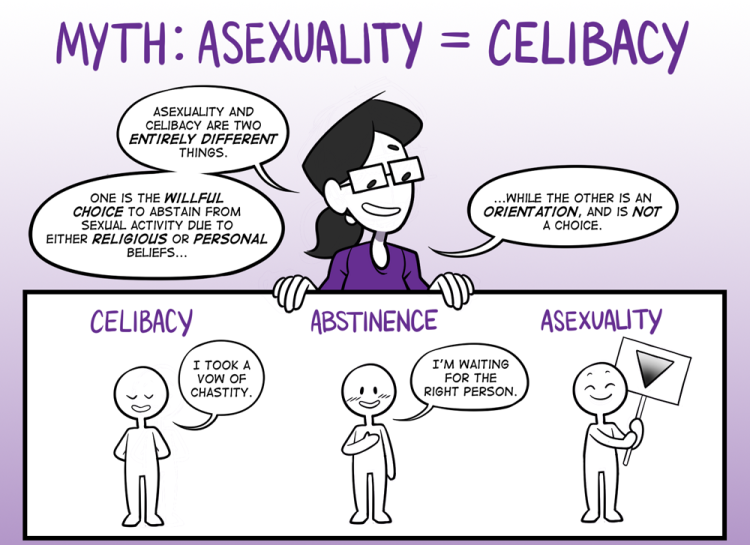
On the flip side, asexuality
is a sexual identity where someone does not feel sexual attraction to or desire
for anyone. Often, people who are asexual prefer romantic non-sexual
relationships, but some also may not.
Just because a person identifies as asexual does not necessarily
mean that asexual people do not have sex; people who identify as asexual may
have sex for other reasons such as pleasing their partner or to have children.
Asexual people can also identify with having romantic or emotional attractions
to people similar to how a sexual person may identify as heterosexual,
homosexual, bisexual, etc; they just won’t feel a sexual attraction towards
them.
There are a lot of misconceptions associated with both
polyamory and asexuality for many reasons, ranging from media misrepresentation
(or lack of representation) to just having never met someone who expressed that they
are polyamorous or asexual. The best thing you can do is to do your research
and talk to folk who identify as polyamorous or asexual!
Resources:
To learn more about Polyamory, visit More Than Two at: https://www.morethantwo.com/polyamory.html
To learn more about Asexuality, visit Asexual Visibility and
Education Network (AVEN) at: http://www.asexuality.org/home/
To celebrate, SMART Youth has some fantastic workshops and events coming up for January and February. Join us for our Taboo Talk series, where you'll learn about the stuff you don't learn in school sex ed like fetishes, sex toys, and more! This all leads up to our annual Valentine's Day event! Right after that, we will also have our annual National Women and Girls HIV Awareness Day event. We hope to see you all there!
Over the years, we've seen our youth grow up within SMART
Youth. Whether it was about safer sex or tips on how to write a resume, our
youth have learned so many skills through our workshops and meetings. It’s
important to have knowledge and skills, but what’s more important is what we do
with it.
So we asked the question: Which ways have you used what
you've learned in SMART Youth outside of
SMART Youth?
There were many different answers. Some spoke about how
being involved in SMART Youth has allowed them to be a source of information or
resources for their friends and peers. One person even spoke of how she hosts
sex education events on her college campus. Another participant said that
talking about current event issues in sex and sexuality made him more aware of
situations that are happening, and that SMART Youth provided a safe space to
discuss these issues.
Others spoke about how the skills they've learned through
meetings and workshops have helped them become better communicators. This is an
important skill that is not only used for maintaining personal relationships,
but for other parts of life like having a job.
We’re excited to know that our youth are not only benefiting
from our workshops, but that they are also spreading what they've learned from
SMART Youth!
When you hear or see the word “Porn”, what things come to
mind? Maybe it’s excitement about a favorite scene from a video you saw. Or
perhaps it’s disgust because of the types of scenes that are filmed. Porn produces
a range of feelings and emotions, making it a controversial topic for many
people.
Pornography is generally defined as the portrayal of sexual
acts through films, photos, magazines, novels, and more; but most people
commonly refer to videos and movies when talking about porn.
Before the internet, someone had to buy magazines or go to
an adult movie theater in order to see pornographic images. Since the advent of
the internet, porn has not only been extremely accessible to the public, but it
allows people of younger ages to access it.
For every person who supports porn, there are just as many
who do not; and all for different reasons.
So, is porn bad or good? The answer is very complex and personal,
but we’re here to guide you through the pros and cons.
The Good
It’s a safe space to
help you learn what turns you on or not
There are many types of porn available, based on certain
interests, desires, and fetishes. Porn gives you the opportunity to explore
these interests in the privacy of your home, and without judgment.
It can help you
vicariously live out your fantasies and fetishes
There are some scenarios, such as voyeurism, that may not be
feasible or legal to do; but watching or reading pornography about it may help
you live out a fantasy without actually doing it.
It can prep you for
both masturbation and partner sex
Watching porn commonly used to get yourself in the mood to
masturbate, but porn can also be used as a part of foreplay for partner sex!
It can help you incorporate
new moves in the bedroom
Pornographic videos are known for showing moves that one
would read about in Cosmo Magazine. Seeing these moves in action (instead of
reading about them) can help give you a visual representation of how they would
look in real like.
The Bad
It can give you
unrealistic expectations for sex
Believe it or not, most porn is staged and directed. Real
life sex is not. Therefore, expecting sex in real life to mirror what you see
or read in pornography/erotica is not realistic. Sex is not always perfect, and
that’s okay!
It can give you
unrealistic ideas of what genitalia is supposed to look like
Like in most popular media, beauty standards also exist in pornography. Our expectations of what our genitalia is supposed to look like can be skewed by looking at porn. It’s important to remember that
our body parts are unique and not to judge what ours looks like based on these images.
The Ugly
You can end up harming
or violating your partner because you assumed they would like a certain
position or sexual scenario
A lot of porn is
aggressive and sometimes violent, and often skips consent to sex and the use of
barrier protection. Assuming that sex is only supposed to be that (without
checking in with your partner) is damaging and can end up hurting your partner.
Porn addictions are
real and serious
Many behaviors can become addictive, and watching porn is
not excluded. Signs of porn addiction include decreased interest in actual
sexual activity, skipping daily responsibilities (such as going to school or
work) to watch porn, and many more. This could not only be extremely harmful
for your relationships, but also for yourself. If you think you or someone you
know may be addicted to porn, there is help.
Some aspects of the
porn industry are shady
There are parts of the porn industry that people have issues
with. Some of these complaints include the ways some porn workers are treated
in the workplace, and the ways that porn is linked to racism,
sexism, and
transphobia. These are issues that should always be considered if you choose to watch porn
and what type of porn you watch.
Although these points do not represent all opinions when it
comes to pornography, these are some points you should research before you take
a stance on this topic or decide to watch pornography.
Remember that you need
to be 18 and over to legally view porn in the United States.
If you think you have
a porn addiction, a visiting a mental health provider is a great start to
overcoming addiction.